Once upon a time, there was an intervertebral disc: what happens in your back at night.

Ilyas Merl
Physiotherapist & certified sleep advisor
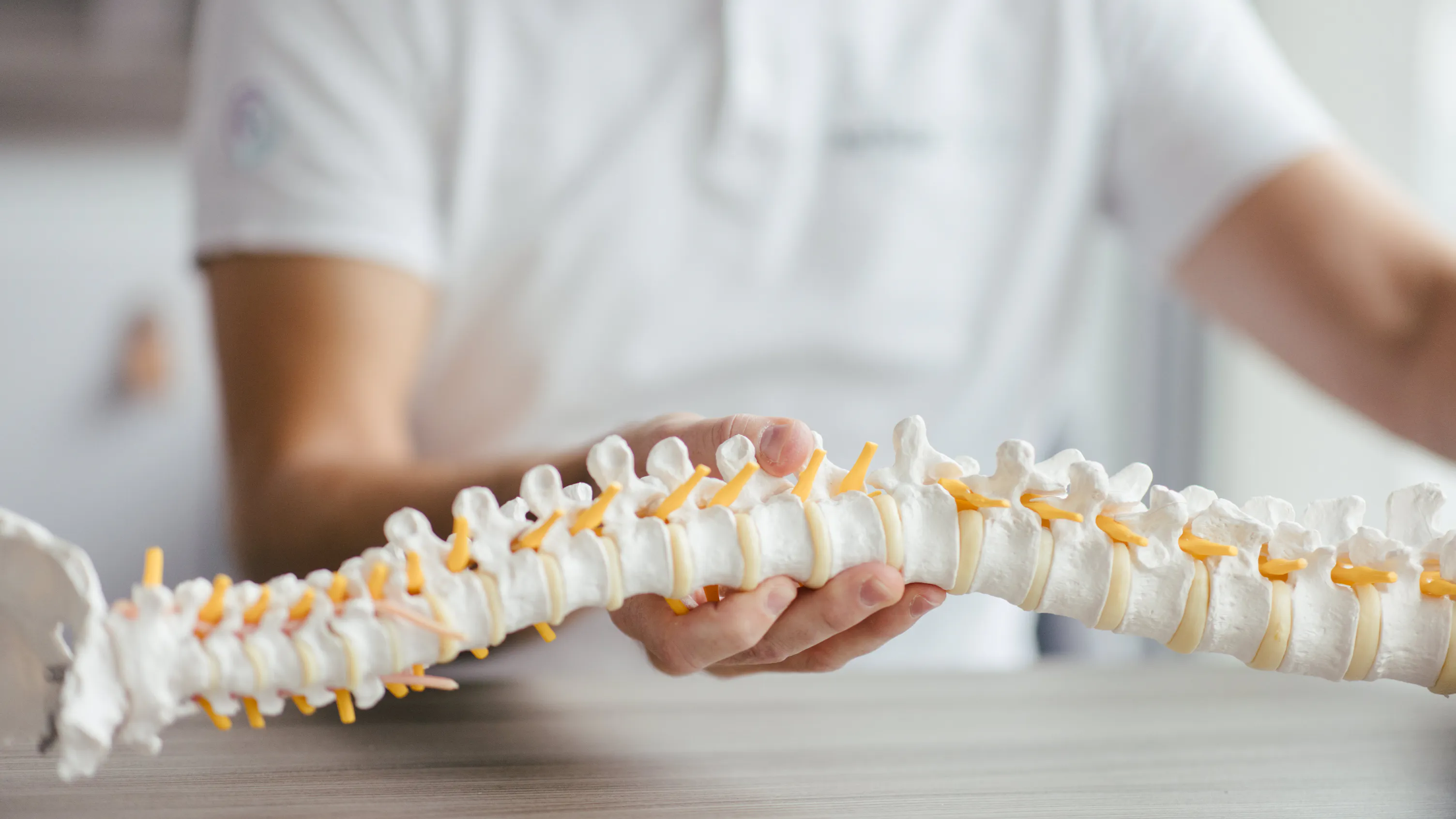
When you lie down, your intervertebral discs absorb fluid again. Physiotherapist Ilyas Merl explains what matters when it comes to your mattress and sleep position.
Intervertebral discs & back pain
Back pain, tension or a slipped disc can significantly affect your quality of life.
Many people find it difficult to get comfortable and sleep well, especially at night. The right mattress, a relieving lying position and enough sleep all play an important role in helping your back recover overnight. But how do your intervertebral discs recover during sleep, and what should you look for when choosing a mattress if you have back problems?
How do disc problems and back pain develop?
As long as your intervertebral discs are doing their job, you hardly notice them. They sit between the vertebrae in your spine and act as flexible cushions, absorbing strain and allowing you to move. If changes or problems arise, you may notice back pain and reduced mobility.
Disc problems can have many causes. As well as age-related changes, genetic predisposition, repeated physical strain and certain movement patterns can also play a part. Sitting for long periods, a lack of movement, and lifting incorrectly or heavily can put additional strain on your back.
A slipped disc occurs when disc tissue pushes outwards and may irritate or put pressure on nearby nerves. The lumbar spine is affected most often. Typical symptoms include lower back pain that can radiate into the buttocks or legs. Depending on the severity, you may also experience tingling, numbness or muscle weakness.
How does a slipped disc affect sleep?
Back pain and sleep problems often go hand in hand. With a slipped disc, sharp or aching pain can make it difficult to fall asleep and cause you to wake repeatedly during the night. Turning over in bed or getting up in the morning can also be uncomfortable.
Your symptoms depend, among other things, on which part of your spine is affected and whether nerves are irritated. An uncomfortable lying position can make pain worse, while a sleep position that feels right for you may help relieve strain on your back.
Restful sleep is important for physical recovery and your overall wellbeing. If back pain is causing you to sleep poorly over a prolonged period, you should check your sleep environment and have a doctor investigate the cause of your symptoms.
Which mattress is right for a slipped disc?
The right mattress for a slipped disc can help reduce pressure points and support a comfortable, as natural as possible position for your spine. However, no single mattress is equally suitable for everyone with disc problems.
Your individual body shape, weight, preferred sleep position and personal feel are particularly important. A good mattress should support your body sufficiently while giving way in the right places.
Supporting your spine is especially important: your shoulders and pelvis should be able to sink in appropriately, while your spine remains as naturally aligned as possible. Your lumbar area should also be sufficiently supported without creating uncomfortable pressure.
What should you look for when buying a mattress if you have back pain?
Individual fit: The mattress should support your shoulders, pelvis and waist in line with your body shape.
The right hardness grade: A mattress should be neither too hard nor too soft. The right hardness grade depends, among other things, on your weight, body shape and personal feel.
Pressure relief: Even pressure distribution can help reduce pressure points and uncomfortable strain.
Stable support: Your spine should be supported as naturally as possible in your preferred sleep position.
Good sleep comfort: A comfortable sleeping surface may help you fall asleep more easily and turn over less often during the night because of discomfort.
A mattress described as orthopaedic is not a medically standardised type of mattress, nor is it a guarantee of recovery. What matters is whether the mattress meets your individual needs and improves your sleep comfort.
Which sleep position is recommended for a slipped disc?
The best sleep position for a slipped disc varies from person to person. The aim is to find a comfortable position for your back and avoid painful strain.
Side sleeping: Many people find side sleeping comfortable. A pillow between your knees may help align your pelvis and reduce excessive twisting of your spine. It is important that your shoulders and hips are not under uncomfortable pressure.
Sleeping on your back: Sleeping on your back may also relieve back pain. A pillow under your knees may help reduce tension in your lower back. Whether this position is suitable depends on your individual symptoms.
Sleeping on your stomach: Some people find sleeping on their stomach less comfortable because it can twist the neck and increase strain on the lower back. However, you do not necessarily need to avoid it if it does not cause you discomfort.
As a general rule, the best sleep position for back pain is the one in which your back feels as relaxed as possible and your pain does not get worse. If your symptoms persist, advice from a physiotherapist may help you find suitable lying positions.
How do intervertebral discs recover during sleep?
Intervertebral discs consist largely of water and have a limited blood supply of their own. During the day, your body weight and everyday activities place strain on them. As a result, they temporarily lose fluid. During longer periods of relief, particularly when you are lying down, they can absorb fluid again.
This natural cycle of strain and relief is part of how intervertebral discs normally function. It does not mean, however, that a slipped disc can be healed by sleep alone or by using a particular mattress.
Several factors are important for your back to recover: enough sleep, regular movement adapted to your needs, an ergonomic sleep environment and sensible ways of managing physical strain. The best measures for a slipped disc depend on your individual diagnosis and symptoms.
In summary: the right mattress can support your back while you sleep
A slipped disc and persistent back pain can significantly affect your daily life and your sleep. A suitable mattress that supports your body individually and reduces pressure may help you find a more comfortable sleep position and improve your sleep quality.
Whether you sleep on your side or back, and whether your mattress is soft or firm, what matters is that your spine is supported as naturally as possible and your lying position does not cause additional discomfort. Relieving strain at night supports your body’s natural recovery, but it is no substitute for targeted treatment.
If disc problems persist or keep coming back, it is a good idea to consult a doctor. Depending on the diagnosis, treatment may include physiotherapy, adapted movement and other medical measures. If you develop new problems emptying your bladder or bowels, numbness in the area between your legs, or rapidly worsening muscle weakness, seek medical attention immediately.
A mattress that suits you, enough rest and treatment tailored to your symptoms can provide an important foundation for better sleep and a back-friendly everyday life.
Would you like to find out which mattress suits your body if you have a slipped disc?
At slaapTEQ, your individual lying needs are at the heart of what we do. Our sleep experts, certified by the Proschlaf® Institute, help you find a sleep system that suits you. During a free assessment using the patented sleep ergonomics simulator, we record your lying characteristics and use them as the basis for personal advice.
The modular construction of the slaapTEQ sleep system means different support needs can be taken into account when putting your mattress together.
Arrange a no-obligation appointment at slaapTEQ and find out how a sleep system tailored to you can improve your comfort when lying down.